

The belt tensioner acts as the critical regulator of your engine's Front End Accessory Drive (FEAD) system. Its primary role is to maintain precise pressure on the serpentine belt, ensuring constant power to your alternator, water pump, and air conditioning compressor. When this component begins to degrade, it disrupts the engine's mechanical rhythm, potentially leading to severe overheating or a sudden loss of power steering.
To avoid the "parts cannon" approach—where components are replaced without a confirmed cause—follow this professional 6-Step Closed-Loop Diagnosis Protocol to isolate a faulty Belt Tensioner Assembly.
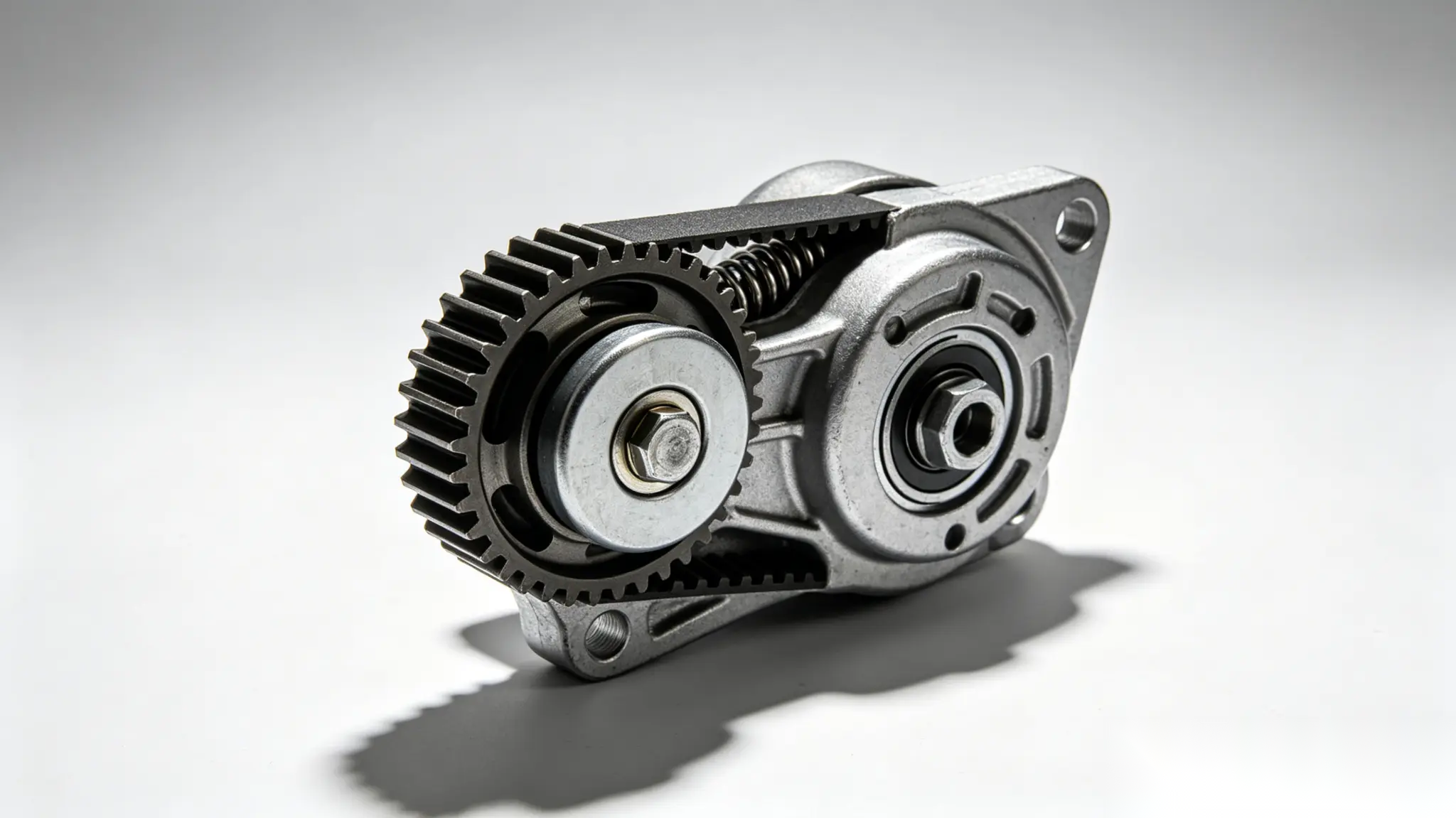
Red Flags: Common Symptoms of Failure
Before reaching for your toolbox, observe these physical indicators that the internal spring or bearing is nearing the end of its service life:
- Chirping or Squealing: High-pitched noises emanating from the front of the engine, particularly during cold starts or under heavy electrical loads.
- Belt Flapping (Vibration): Visible "jumping" or excessive vibration of the serpentine belt while the engine is at idle.
- Battery Alerts & Overheating: If the tensioner loses its grip, the belt slips; this stops the alternator from charging the battery and prevents the water pump from circulating coolant.
- Uneven Belt Wear: Fraying at the belt edges often suggests the tensioner pulley is misaligned.
The 6-Step Precision Diagnosis Protocol
Step 0: DIY Readiness & Fitment Audit
Assess the accessibility of your vehicle's engine bay:
- DIY Green Lane: On many rear-wheel-drive vehicles or longitudinal engines, the tensioner is easily accessible on the side, requiring only standard wrenches.
- Red Alert: In transverse engine bays—common in front-wheel-drive cars like a 2016 Honda Civic or compact SUVs—space is extremely limited. If the repair requires removing engine mounts, consider professional support.
Step 1: The "Upstream" Check
Never install a new part in a compromised environment. Check for Systemic Failure: A clogged PCV System can create internal pressure that forces oil through the front crankshaft seal. This oil coats the tensioner, leading to "chemical poisoning" of its rubber dampening components.
Step 2: OBD-II Signal Analysis
While standard wear often triggers no codes, severe tensioner vibration can occasionally trick the crankshaft position sensor. If you see P0300 to P0304 (Misfire) codes alongside a rattling noise, verify the tensioner's mechanical stability before assuming you have an ignition problem.
Step 3: Sensory Verification
- Standard Wear: A faint "chirp" during startup that fades as the engine reaches operating temperature.
- Bearing Failure: A rhythmic "tapping" or grinding noise indicates the internal bearing has collapsed.
- Pro Tip: Use a mechanic’s stethoscope; if the grinding is loudest at the tensioner housing, you’ve found your culprit.
Step 4: Visual Ironclad Evidence
This step confirms your specific SKU requirements:
- The "Smoking Gun": Look for a cracked tensioner arm or a pulley showing blue/purple tints. This discoloration is a sign of extreme frictional heat caused by a seized bearing.
- Hydraulic Leaks: On high-performance or European engines (like a BMW 3-Series), you may find hydraulic tensioners. Any dampness or "bleeding" of fluid from the strut indicates a mandatory replacement.
Step 5: Matching the Fix to the Failure (What to Buy)
| Diagnostic Conclusion | Recommended SKU Strategy | Essential Accessories |
|---|---|---|
| Standard Wear: Loose belt, dry tensioner, no bearing noise. | Belt Tensioner Pulley (Short Kit). | New serpentine belt. |
| Structural Damage: Cracked arm, discolored pulley, grinding. | Complete Tensioner Assembly (Full Kit). | Idler pulleys & mounting bolts. |
| Environmental Damage: Oil or coolant contamination. | Repair Leak First, then replace Assembly. | Degreaser & PCV valve. |
Step 6: Understanding Model Variations
- Mechanical (Spring-Loaded): Common on domestic vehicles like the Ford F-150. These typically fail when the internal spring loses its "memory" or the pivot point corrodes.
- Hydraulic Tensioners: These utilize an oil-filled strut for dampening. While they provide smoother operation, they are more prone to seal failure and visible leaks.
Final Note on Fitment
When sourcing parts, always use a Year-Make-Model (YMM) lookup to ensure compatibility. This protocol, supported by our technical team, ensures you move from guesswork to professional-grade precision, keeping your engine in perfect sync.